CHINA Edition
 Hungarian Edition


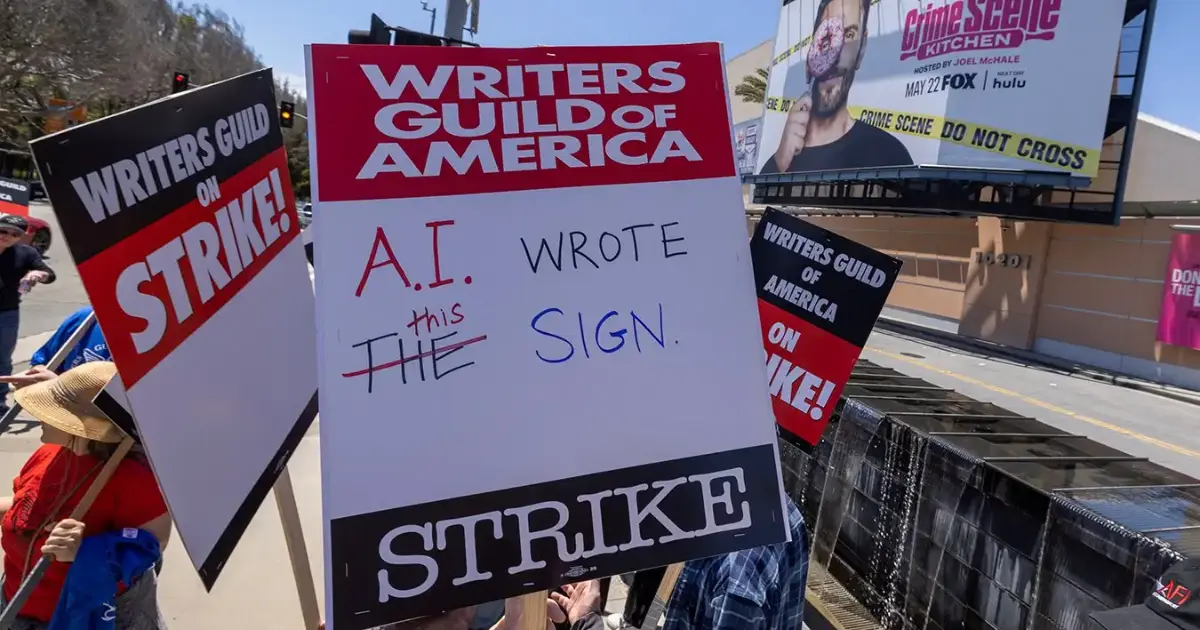
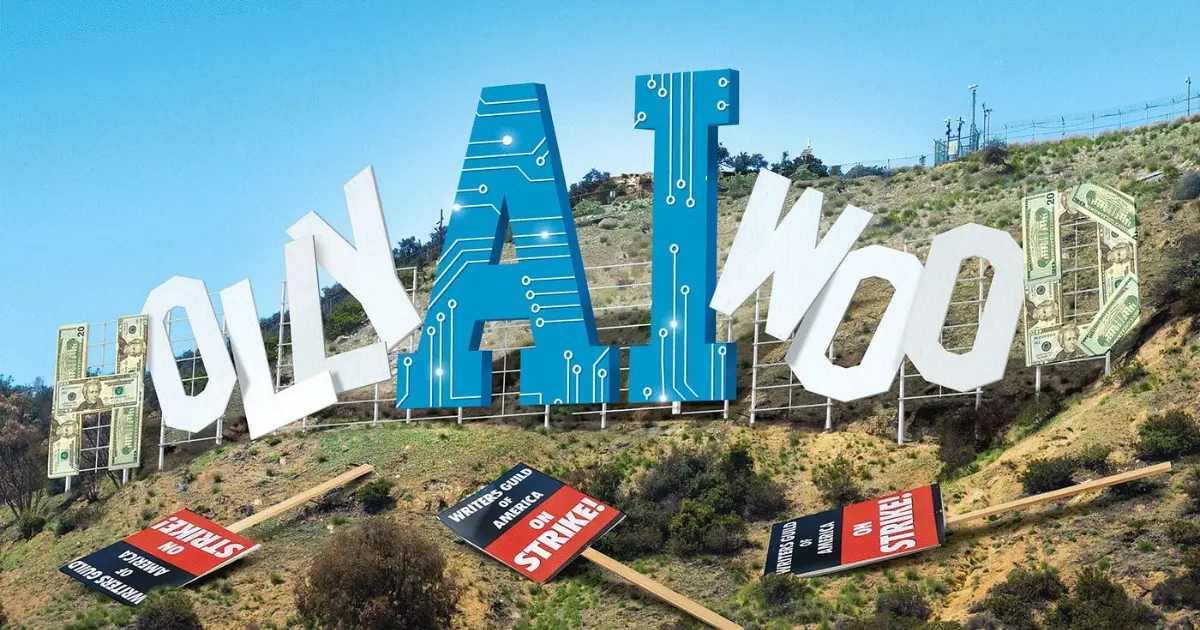
Hollywood is at a tipping point, grappling with the transformative—and at times, controversial—impact of artificial intelligence. Just a year after actors and writers united in a historic strike against AI’s increasing role in film production, the technology has embedded itself even deeper in Hollywood’s workflows, raising both ethical and economic concerns.
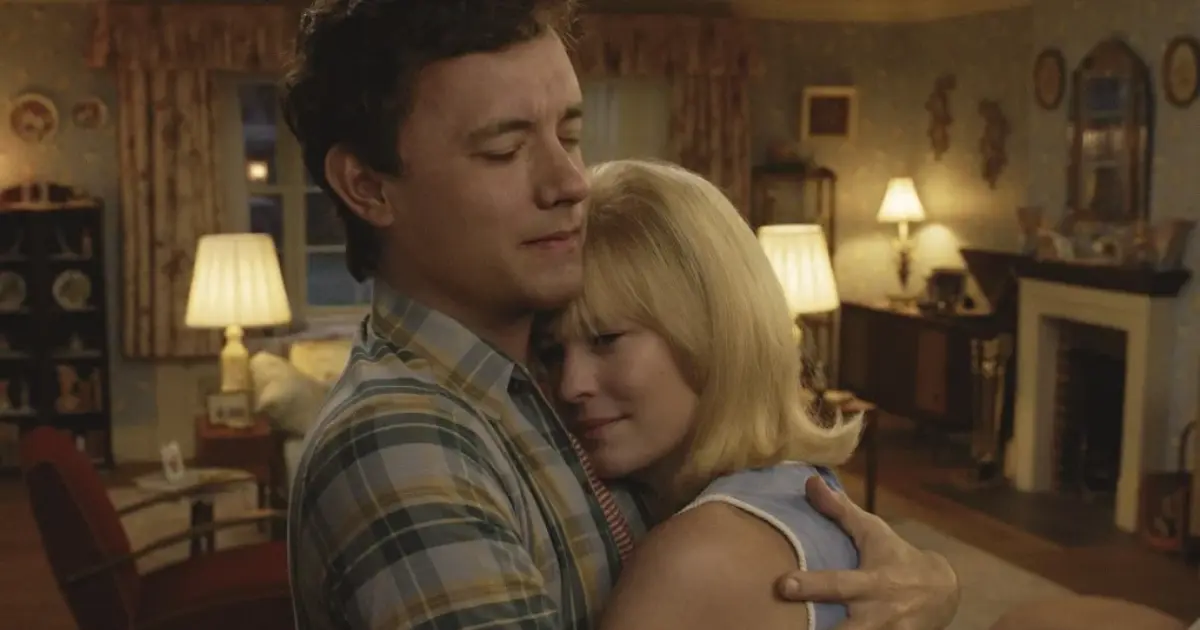
A prime example is “Here”, directed by Robert Zemeckis, which premiered in November 2024 as one of the first films to use AI-driven real-time facial transformations as a core storytelling tool. Rather than casting multiple actors to portray characters at different ages, Here uses generative AI from visual effects company Metaphysic to age and de-age Tom Hanks and Robin Wright across a timeline spanning 60 years. By training machine-learning models on footage from their earlier films, Metaphysic’s software could instantly adjust the actors’ appearances on set, eliminating months of traditional CGI post-production and shaving millions off the typical cost. While a Marvel film with similar effects would likely exceed $150 million in budget, “Here” was produced for around $50 million—a stark demonstration of AI’s potential cost efficiency.
 This technological leap has raised Hollywood’s interest in AI and expanded its usage. According to a 2024 report from Grand View Research, the global AI in media and entertainment market is projected to grow at a compound annual growth rate (CAGR) of 28.5%, reaching $54 billion by 2030. This growth is fueled by rising demand for AI-powered tools in content creation, production management, and visual effects, as studios race to keep up with evolving consumer expectations and streaming competition. Analysts predict that AI’s ability to streamline workflows will reduce production time by up to 30% over the next five years, leading to substantial cost savings across the industry.
Yet while AI offers efficiency, it also brings existential questions. Recent AI-driven revivals of deceased actors, like Richard Carter in “Furiosa: A Mad Max Saga” and Ian Holm’s android character in “Alien: Romulus”, have sparked ethical debates around legacy and consent. California’s recent legislation now mandates estate approvals for such digital recreations, but the response from living actors has been mixed. Robert Downey Jr., for example, recently stated that he would pursue legal action to prevent any unauthorized digital appearances posthumously, reflecting a widespread fear among actors of losing control over their likenesses.
The role of AI in Hollywood is also reshaping the economic landscape for talent. The Writers Guild of America (WGA) and SAG-AFTRA strikes of 2023, which halted productions worldwide, marked a turning point in how unions view AI. In their new contracts, writers and actors gained protections, including notification and compensation requirements for AI-based reproductions, marking a significant industry precedent. However, these contracts apply only to unionized talent, leaving thousands of non-unionized workers vulnerable to AI-driven displacement. According to the Bureau of Labor Statistics, roughly 45% of entertainment industry workers are non-unionized, suggesting that AI could widen the economic gap between unionized and non-unionized roles if left unchecked.
 Meanwhile, AI is making its mark off-screen as well. Companies like ElevenLabs have developed tools to revive the voices of deceased stars, with estates of icons like Judy Garland and James Dean giving approval for AI-generated narrations in audiobooks. While Garland’s daughter, Liza Minnelli, supports the technology as a means of extending her mother’s legacy, critics warn that such practices can lead to exploitation, particularly for artists like Garland, whose careers were marked by industry abuses. Recent studies show that 65% of consumers feel uncomfortable with AI recreations of deceased celebrities, indicating a growing public sensitivity to ethical concerns in digital media.
AI-driven manipulation, such as deepfake technology, has also proliferated. A report by Sensity AI revealed a 550% increase in deepfake imagery from 2019 to 2023, with 96% of these images used for disreputable purposes, including non-consensual pornography. This spike has prompted regulatory action globally. The European Union recently passed legislation that classifies certain AI applications as “high risk,” banning unauthorized deepfake creation and mandating disclosure labels for all AI-generated media. Industry experts predict that similar regulatory frameworks may reach the United States, particularly as AI-driven misinformation and privacy issues escalate in the media landscape.
As studios integrate AI further into the creative process, there is an ongoing debate over how AI will impact traditional streaming and cinema. While streaming platforms have embraced AI to enhance recommendation algorithms and optimize content for global audiences, the technology’s cost-saving potential could give cinemas a competitive edge. Industry analysts suggest that AI may enable studios to produce high-quality visual effects for mid-budget films, a segment long underserved in the wake of blockbuster-driven economics. With the average film budget growing from $70 million in 2000 to over $120 million in 2020, AI’s potential to lower production costs could lead to a revival of mid-budget, high-quality films that appeal to theatrical audiences.
Hollywood is now at a crossroads, facing crucial questions about AI’s role and the future of the industry. As AI technologies continue to evolve, the industry must address not only the economic opportunities they offer but also the ethical and societal challenges they pose. Whether AI becomes a creative partner, a tool of exploitation, or something in between remains to be seen, but as it stands, AI is poised to reshape the film industry for years to come.