CHINA Edition
 Hungarian Edition


Hungarian studio Kimera Production is taking its AI/3D hybrid science-fiction project ATLAS i3 onto the international festival circuit, with awards for both the original film and its follow-up, EXCEPTIONS. The results span specialist AI film competitions, alongside selections and finalist places in Europe, the United States and Taiwan.
According to the press package distributed by Agence Najoua, ATLAS i3 won Best AI Mini Movie at the AI ZONE International AI Film Festival 2026 and the Long Form Category at the MetaMorph AI Award 2026. EXCEPTIONS – Atlas i3 Part II received Best AI Feature Film at the World AI Cinema Festival Cannes and Best Science Fiction Film at the Neu Wave AI Film Festival Los Angeles.
The distinction between those awards and the project’s other festival results matters: the supplied list records official selections in Seattle and Taiwan, and a finalist place in London, rather than wins at all three.
From generated images to sustained storytelling
The project is an experiment in combining AI and 3D methods across a complete narrative. In its public description of the first film, Kimera identifies a set of practical filmmaking challenges: keeping locations, objects, vehicles and lighting consistent between shots, and creating characters capable of carrying dialogue and emotion.
That moves the discussion beyond the impact of an isolated generated image. The studio frames the work as a study of whether these methods can sustain scenes and a story, including potential uses for supporting characters and scene replacement.
MetaMorph’s official interview with the filmmaker independently confirms the Long Form win. Discussing the project, Tóth contrasts the relative ease of creating striking AI imagery with the difficulty of maintaining continuity and convincing performances. He also argues that authorship should remain visibly with the human creator.
International recognition, film by film
The following results are listed in the production’s festival record supplied with the press release.
ATLAS i3
- Winner: AI ZONE International AI Film Festival 2026 — Best AI Mini Movie.
- Winner: MetaMorph AI Award 2026 — Long Form Category.
- Finalist: Rome AI Festival; Neu Wave AI Film Festival Los Angeles; Red Rocks AI Film Festival.
- Honorable Mention: AI Film Awards French Riviera — Cannes 2026.
- Official Selection: AI Film Awards — Las Vegas 2026; The Seattle AI Film Festival 2026; AI Film and Art Festival, Arizona, Year III.
EXCEPTIONS – Atlas i3 Part II
- Winner: World AI Cinema Festival Cannes — Best AI Feature Film.
- Winner: Neu Wave AI Film Festival Los Angeles — Best Science Fiction Film.
- Finalist: AI London Film Festival.
- Official Selection: AI ZONE International AI Film Festival, 2nd Edition (2026); The Seattle AI Film Festival 2026; CSFCCA International AI Film Festival Taiwan; AI Filmfestival Biberach.
A Hungarian studio in the technology conversation
In its release dated October 28, 2026, Kimera also reports participating in Los Angeles Tech Week, presenting its approach to integrating filmmaking and technological development. The company says the first two ATLAS i3 films were selected for the Los Angeles Neu Wave festival, which it identifies as having taken place at Lionsgate Studios.
For the studio, the wider ambition is to develop hybrid production methods that connect creative choices with technical experimentation. The festival results offer a concrete record of recognition within the emerging AI cinema circuit; the longer-term implications for production workflows remain a developing story.
Watch both films
The press release directs viewers to the films online: ATLAS i3 — Part I and EXCEPTIONS — Atlas i3 Part II.
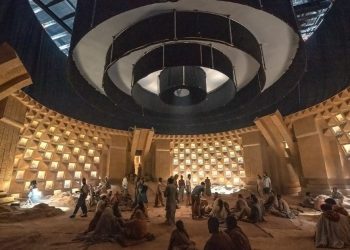
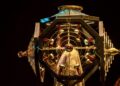
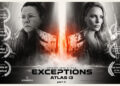
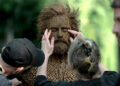
Based on Kimera Production’s press release and festival list, distributed by Agence Najoua, with additional information from Kimera’s public project description and MetaMorph’s official interview. Promotional artwork supplied by Kimera Production via the press package; it depicts the AI film project.
As the films travel between specialist festivals, they put a practical question before filmmakers and audiences: how well can a hybrid AI/3D production sustain a story, and how clearly can viewers recognise the creative decisions behind it.