CHINA Edition
 Hungarian Edition


For Hollywood bean-counters and location scouts, the message out of Budapest is clear: the lucrative tax incentives are safe. But for local filmmakers, a tectonic shift is underway as the new regime pledges to strip politics out of the greenlight process.
If there’s one thing that makes Los Angeles studio executives sweat more than a ballooning above-the-line budget, it’s political instability in a key offshore production hub. Over the last decade, Budapest has quietly transformed into the backlot of Europe. From massive Marvel tentpoles and high-end sci-fi epics to prestige streaming series, the Hungarian capital has lured billions in foreign production spend, driven by world-class soundstages, top-tier local crews, and a virtually bulletproof 30-plus percent tax rebate.
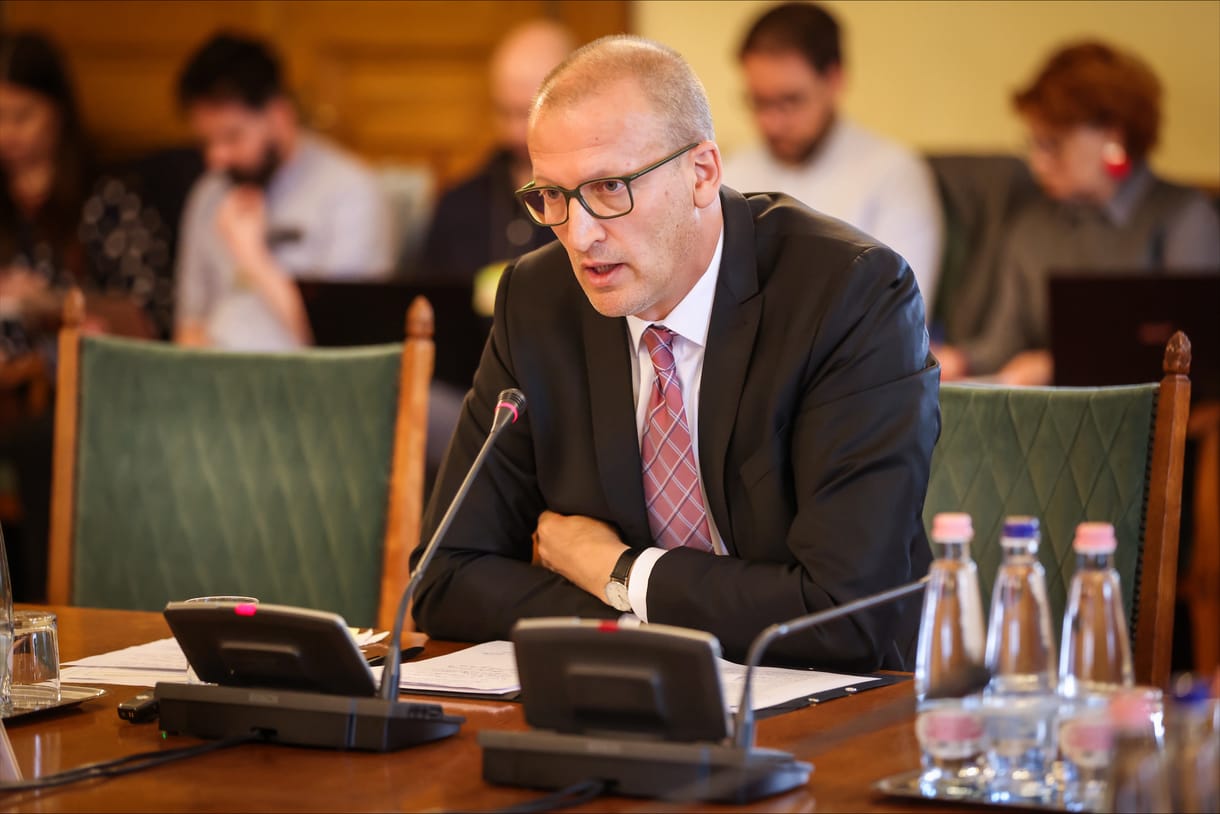
So, when the political winds shift in Hungary, the reverberations are felt from Burbank to Culver City. Enter Zoltan Tarr, Hungary’s newly minted culture minister.
Taking the reins during a period of significant political transition, Tarr’s immediate priority has been to signal stability to the international market while promising a radical, much-needed overhaul of the domestic state funding apparatus. For Hollywood, Tarr’s opening remarks are exactly what the doctor ordered: the golden goose is not being cooked.
In a recent address to the industry, Tarr confirmed that his administration aims to fiercely protect the Hungarian film tax credit, a vital piece of financial architecture that has underpinned a historic era of inward investment.
“Our intention is to keep providing a rebate system to encourage creators to come back,”
Tarr stated, effectively putting to bed any murmurs of a subsidy rollback.
”We want to reignite the system and be a correct and responsible partner for international filmmakers.”
For US producers who rely on Eastern Europe to stretch their production dollars, Tarr’s words are a green light to keep the production pipelines flowing into facilities like Korda Studios and Origo Studios. Being a “responsible partner” in the current global climate means maintaining a frictionless environment for international physical production, and Tarr clearly understands that keeping the soundstages booked is vital to the country’s economic and creative health.
But while the international service industry remains steady, the domestic landscape is in for a massive, structural rewrite.
Historically, Hungary has possessed a rich cinematic heritage, consistently punching above its weight on the global festival circuit and at the Academy Awards. However, in recent years, local filmmakers have voiced growing frustration over a state funding sector that many felt was heavily politicized, prioritizing ideological alignment over artistic merit. Projects were often pushed into turnaround or denied development cash if they didn’t fit a specific, top-down narrative.
Tarr is promising a hard pivot. The new culture minister has declared an era of absolute “transparency” in state subsidies, effectively aiming to separate the church of government from the state of cinema.
“The industry has to be open, and the only aspect that should be taken into account is cultural,”
Tarr explained. The goal is a return to basics: rewarding the best material, regardless of the filmmaker’s political leanings. “The best script, director and story should get the support.”
Talk is cheap in politics, especially when it comes to arts funding. The real test of Tarr’s administration will be in the execution. To that end, the minister is not just promising new attitudes, but new architecture. The current gatekeepers are being put on notice.
“To choose which one is the best, we are going to reorganise the various decision-making bodies in a way that will reflect a cultural aspect, not a political aspect,” Tarr noted.
This restructuring aims to return what Tarr calls “self-governance” to the local film community. Rather than bureaucrats calling the shots on what gets greenlit, funds will now be distributed purely on “merit, not political loyalty.” Perhaps most crucially for the long-term health of the Hungarian indie scene, the organizations responsible for doling out development and production cash will be run by elected new members who are “proposed by the industry.”
For Los Angeles readers, this might sound like inside-baseball local politics, but it has profound implications for the global market. Hungary has proven it can service a $200 million studio blockbuster with its eyes closed. What this new policy promises is a revitalization of Hungary’s original IP. By democratizing the funding process, Tarr is paving the way for a new generation of Hungarian auteurs to emerge—voices that can compete at Cannes, Venice, and ultimately, the Oscars.
A healthy, creatively unfettered local industry inevitably strengthens the below-the-line talent pool, driving innovation in local post-houses, VFX vendors, and camera departments. When local filmmakers are pushing boundaries, the entire ecosystem levels up—which directly benefits the foreign productions shooting on the lot next door.
Zoltan Tarr has effectively drawn a line in the sand. He has assured the global industry that Budapest remains open for business, keeping the financial incentives locked in. Simultaneously, he has thrown a lifeline to domestic creators, promising a meritocracy where the best script wins. If Tarr can deliver on both fronts, Hungary won’t just be Hollywood’s favorite backlot—it will solidify its standing as one of Europe’s most dynamic and creatively liberated film capitals.