CHINA Edition
 Hungarian Edition


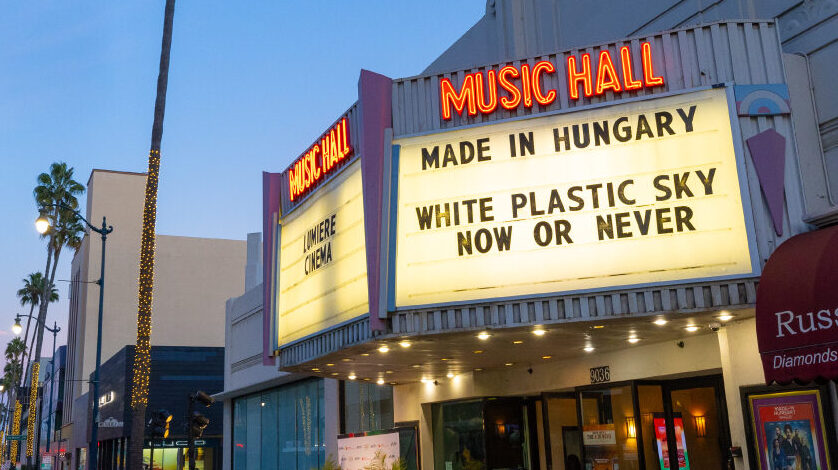
The Made in Hungary Film Festival took place in Los Angeles from November 21–23, 2025, presenting recent Hungarian film releases at the Lumiere Cinema in Beverly Hills. Organized by the National Film Institute Hungary in cooperation with the Liszt Institute New York and the Hungarian Cultural Center, the event continued its aim of annually introducing current Hungarian productions to U.S. audiences and Los Angeles–based industry circles .
Now in its second year, the festival reports steady attendance, strong community interest, and a growing network of American viewers engaging with Hungarian content.
A Three-Day Look at Recent Hungarian Releases
The program opened with Hogyan tudnék élni nélküled?, the domestic box-office phenomenon that has surpassed all previous local viewership and revenue records. The lineup also included the crime-comedy Ma este gyilkolunk, the music-focused portrait documentary Ember maradj – Az Ákos-sztori. Eddig., and an animated reinterpretation of Csongor és Tünde.
Youth audiences were represented through the European Film Award–nominated Véletlenül írtam egy könyvet, while Hungary’s official Oscar submission, Árva screened to strong interest from the Los Angeles crowd . Additional titles included the József Attila biographical film Reménytelenül and the documentary Krausz Ferenc – Az elektronok nyomában, centered on Hungary’s recent Nobel Prize–winning scientist.
The varied selection provided a concise overview of the thematic and formal range currently present in Hungarian filmmaking—from commercial hits to culturally significant biographies and youth-oriented material.
Spotlight Event: “Hunyadi” and On-Stage Talent
The closing night focused on the first two episodes of Hunyadi, the large-scale European co-production dramatizing the life of 15th-century military leader János Hunyadi. Actor Kádár L. Gellért and director Robert Dornhelm attended the Los Angeles screening, meeting viewers and participating in discussions.
Kádár added that presenting the series at a U.S. event focused specifically on Hungarian films was
“a great honor, that the news of the series has reached not only members of the Hungarian diaspora but also the American audience through this festival.”
He spoke about his ongoing connection with director Robert Dornhelm as well:
“Since the shoot, a special professional bond has connected us. I have traveled to several parts of the world with the series, from Canada to Rome, so it was a particular pleasure to see Robert Dornhelm again here in Los Angeles.”
Their appearance provided one of the festival’s central professional touchpoints, offering audiences a direct look at the team behind one of the more ambitious historical series currently emerging from Central Europe.
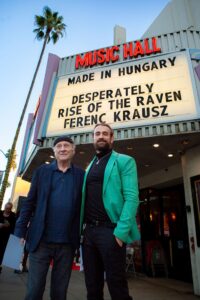
Building a Consistent LA Presence
Festival director Dr. Csenge Palotai described Made in Hungary as an event that has “found its audience” in Los Angeles, reporting full screenings and continued interest from local viewers. She noted that American audiences showed curiosity toward Hungarian historical subjects, literary adaptations, and profiles of public figures, ranging from Hunyadi to modern researchers.
The festival functions primarily as a cultural showcase rather than a market platform, but its regular presence in Los Angeles positions it as a consistent entry point for Hungarian filmmakers seeking visibility in an international industry center.