CHINA Edition
 Hungarian Edition


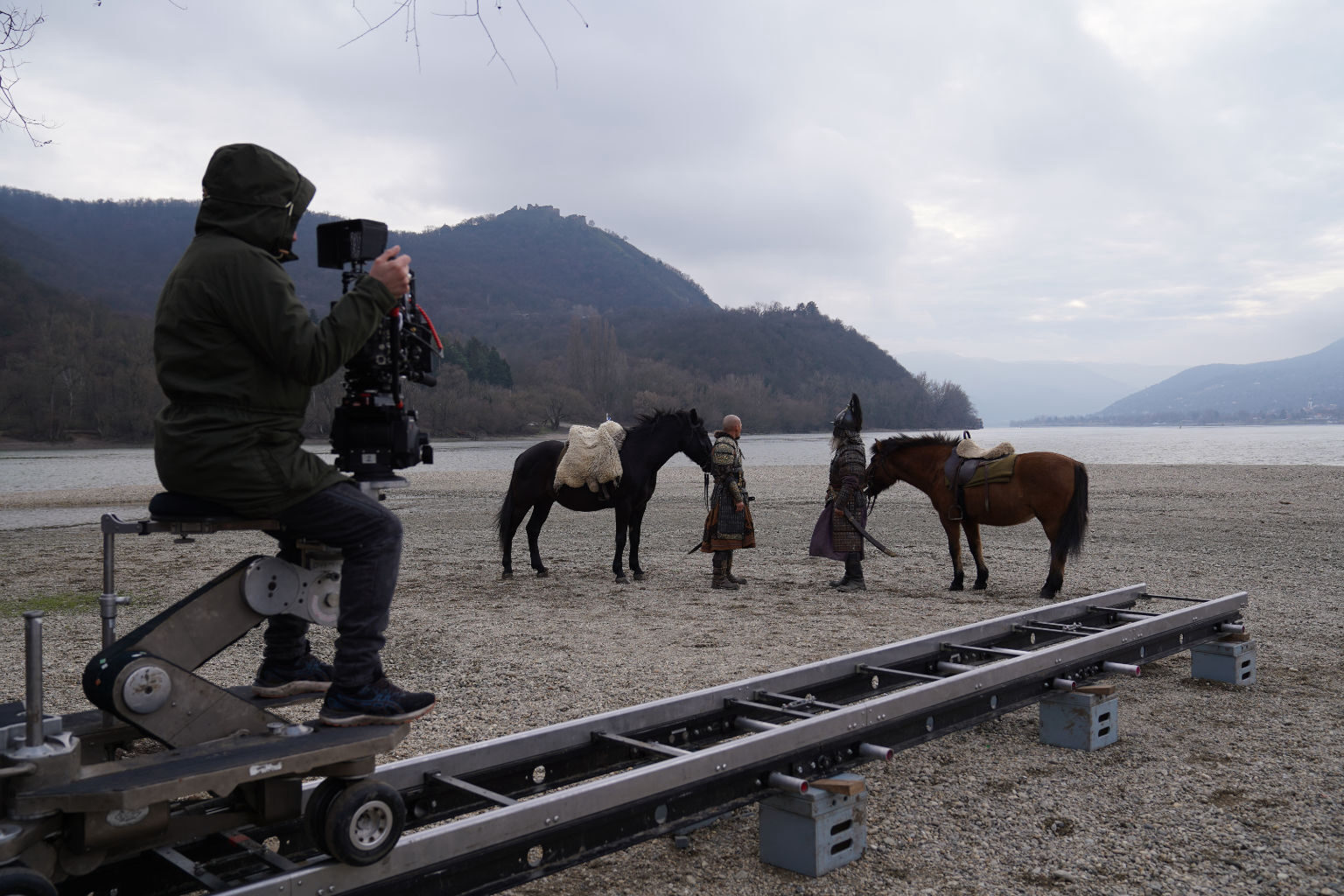
Last week, we spotlighted the scale and spectacle of 1242 – A Nyugat kapujában (1242: Gateway to the West), Hungary’s most ambitious historical feature to date. This week, the focus shifts behind the camera — to the producing coalition from Hungary, the UK, Mongolia, and Australia that engineered one of the most complex co-productions in recent European cinema.
Building a Four-Continent Alliance
At the heart of 1242 is Hungary’s MP Films, with producers Kornél Sipos and Dóra Farkas steering the ship on home turf. They locked in the Hungarian National Film Institute’s €6.4M (2.5B HUF) support package — the largest single public contribution to a Hungarian historical feature.
Across the Channel, UK heavyweights Bill Chamberlain and Paul Brett came on board. Chamberlain’s veteran status in European co-pros and Brett’s Oscar-winning track record with The King’s Speech helped shore up financing and gave the project added market credibility. Joan Lane, also linked to The King’s Speech, contributed to script development.
The producing net cast even wider: Australian producer Carlos Alperin expanded reach into Asia-Pacific, while Mongolian producer Bayar Banzragch provided both capital and cultural buy-in. His team was hands-on with casting, costumes, props, and cavalry stunt units, ensuring the portrayal of Batu Khan’s forces avoided generic Hollywood villainy and carried authentic detail.
By pulling together partners from four continents, 1242 reached a budget of roughly €9.47M ($10M) — a figure that would have been difficult to achieve under a single-country model.
Why the Co-Pro Model Made Sense
For Hungary, mounting a medieval epic of this size required more than national support — it needed a truly international playbook.
- Funding Diversity: Multiple investors and film funds spread the financial risk, tapping subsidies and tax breaks across borders.
- Market Access: Partners in Europe, Asia, and the Pacific built-in distribution pathways beyond Hungary.
- Talent Pooling: The production could tap high-caliber global craftspeople like BAFTA-winner Kant Pan (editing) and Oscar-winner Glenn Freemantle (sound).
- Cultural Authenticity: Mongolia’s direct involvement grounded the cavalry battles and battlefield culture in credible heritage.
It wasn’t just about raising money; the co-production structure mirrored the film’s own premise — East and West meeting in both narrative and execution.
 Hungary’s Co-Production Momentum
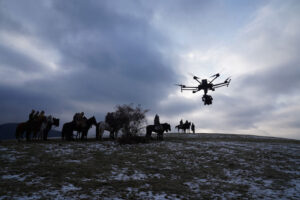
Hungary’s film industry has built a reputation as a go-to service hub, with projects like White Plastic Sky (Slovakia–Hungary), Silent Friend (Germany–France–Hungary), and the premium series Rise of the Raven (Hungary–Austria–Germany). Skilled crews, versatile locations, and one of Europe’s most competitive rebate schemes have made Budapest a staple stop on the global production map.
Where 1242 breaks new ground is in authorship. Rather than simply hosting another studio tentpole, Hungary takes the lead on a story that’s deeply local — the Mongol invasion of 1242 told from a Hungarian perspective. The entire shoot took place on domestic soil, with key creative heads like cinematographer István Balázs Balázs and production designer Zsuzsanna Borvendég reinforcing the film’s Hungarian identity, while international partners amplified its scale and visibility.
The Payoff and the Stakes
With a release set for October 2, 2025, 1242 faces a dual test: whether Hungarian audiences will embrace a €9.5M historical epic on home turf, and whether international markets will buy into a Central European story framed in English.
The producers are banking on a mix of large-scale battle spectacle, spiritual undertones, and a multinational creative DNA to attract audiences beyond Hungary. Industry watchers see the film as part of a broader trend: Hungary shifting from being a go-to backlot for Hollywood to taking an active seat at the co-production table.
If the gamble pays off, 1242 could point to a sustainable model for future projects — national stories, backed locally, but scaled internationally through strategic partnerships.