CHINA Edition
 Hungarian Edition


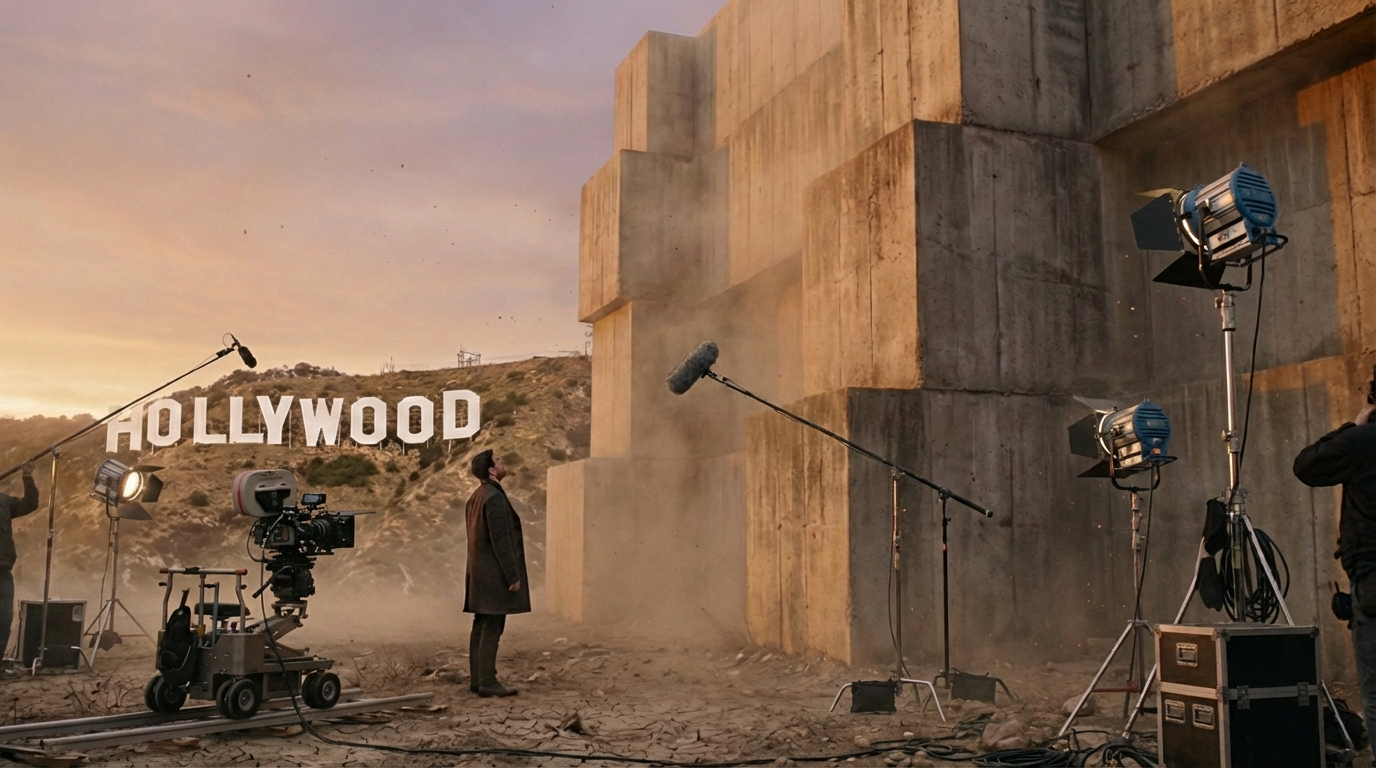
In the early weeks of 2026, the mood in the canteen at Origo Studios is noticeably different. Between discussions about frame rates and lens kits, a new, more existential topic has taken center stage: the 100% Movie Tariff. For months, the US administration has been dangling a protectionist sword over the heads of every studio head in Los Angeles, threatening to double the cost of bringing any film made on foreign soil back into the American market. For a city like Budapest, which has built its 21st-century identity as “Hollywood on the Danube,” the stakes couldn’t be higher.
The rhetoric coming from the White House “Special Ambassadors”—a group including Jon Voight and Sylvester Stallone—is clear: the American film industry is “dying” because of international tax incentives. The proposed 100% tariff is designed to make the Hungarian 30% rebate look like a rounding error. If enacted, a $100 million production shot in Budapest would face a massive tax bill just to be distributed in the US, effectively ending the era of the “Runaway Production.”
However, the “experts” in the room aren’t panicking just yet. “This is a trade war being fought with press releases,” says one veteran Budapest-based line producer. “A movie isn’t a truckload of steel. It’s a complex web of intellectual property, international talent, and multi-national financing. You can’t just put a ‘Made in Hungary’ sticker on a hard drive and tax it at the border without collapsing the business models of Disney, Netflix, and Amazon.”
Indeed, the Motion Picture Association (MPA) has been working overtime in DC, filing nearly 100 pages of objections. Their argument is simple: the US is the world’s leading exporter of audiovisual services. If the US starts taxing foreign films, Europe will retaliate. We are already seeing the first signs of this “Trade Bazooka” in Strasbourg. President Macron has already hinted at activating the EU’s Anti-Coercion Instrument, which would slap retaliatory taxes on American streamers and tech giants. If the US taxes the films, Europe will tax the platforms they live on.
But what if the bluff isn’t a bluff?
In Budapest, the “Tariff Talk” is triggering a strategic pivot. If US funding becomes too expensive or politically risky, the industry here is ready to lean into purely European-funded content. For decades, Budapest has been a service hub—a place that builds the worlds for American stories. Now, there is a surge of interest in “Euro-Centric” financing. If the tariff forces US studios back to Atlanta or Albuquerque, the vacuum left in Budapest will likely be filled by high-end, EU-funded prestige dramas that don’t need a US theatrical release to be profitable.
“We have the crews, we have the tech, and we have the locations,” says a local studio head. “If Washington wants to build a wall around Hollywood, they are just going to lock themselves in. The rest of the world will keep filming.”
For now, most believe the 100% figure is a negotiation tactic—a “maximalist” starting position aimed at forcing European countries to lower their local content quotas or adjust their own subsidy programs. But even as a tactic, the damage is being done. The uncertainty makes it harder for completion bond companies to sign off on projects slated for 2027 and 2028.
As we move toward the February 1st deadline for the next round of general trade tariffs, the Budapest Reporter will be watching the “Ambassador” tours closely. If the tariff wall does go up, it won’t be the end of film in Hungary; it will simply be the beginning of a new, fiercely independent chapter in European cinema. Hollywood might be the “golden goose,” but in 2026, the goose has learned how to fly.