CHINA Edition
 Hungarian Edition


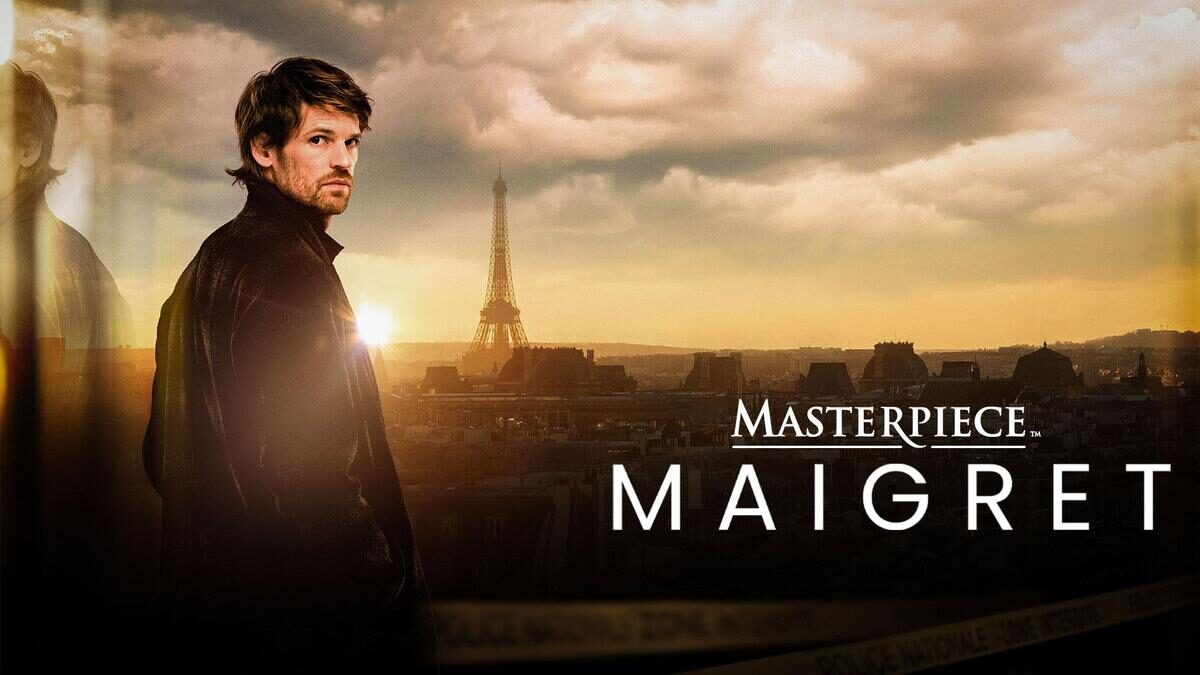
It starts, as these things often do, with a look. Not the star’s—though Benjamin Wainwright gives young Jules Maigret the sort of level, unblinking stare that unsettles suspects—but the image itself. On episodes lensed by Hungarian cinematographer Ádám Fillenz (whose résumé carries the patina of Blade Runner 2049), the frame feels tactile: light that doesn’t just land, it hangs; shadows that don’t just hide, they suggest. That sensation is no accident. In Budapest’s production culture, image is a team sport. Focus pullers like Tamás Bakos, second ACs like Tamás Forintos, operators like Máté Herbai, DITs like János Jack—they’ve been sharpening their reflexes on tentpoles and prestige series long enough to make that “effortless” camera language feel, well, effortless.
The trick with a Paris cop show set in the ’50s is resisting the postcard. This Maigret, steered by creator-writer Patrick Harbinson and directors David Evans and Faye Gilbert, prefers grit to gloss: a young chief inspector in a city that works for a living. That’s where the Hungarian below-the-line machine really shows. In the art department, Blanka Lukács doesn’t just fill a space; she calibrates it. Two chairs feel like a marriage; a chipped teacup reads as poverty, not prop. Set decorators Dorka Kiss and Kata Kiss, both with Son of Saul in their DNA, know exactly how to dress a room so the camera can find story in the edges.
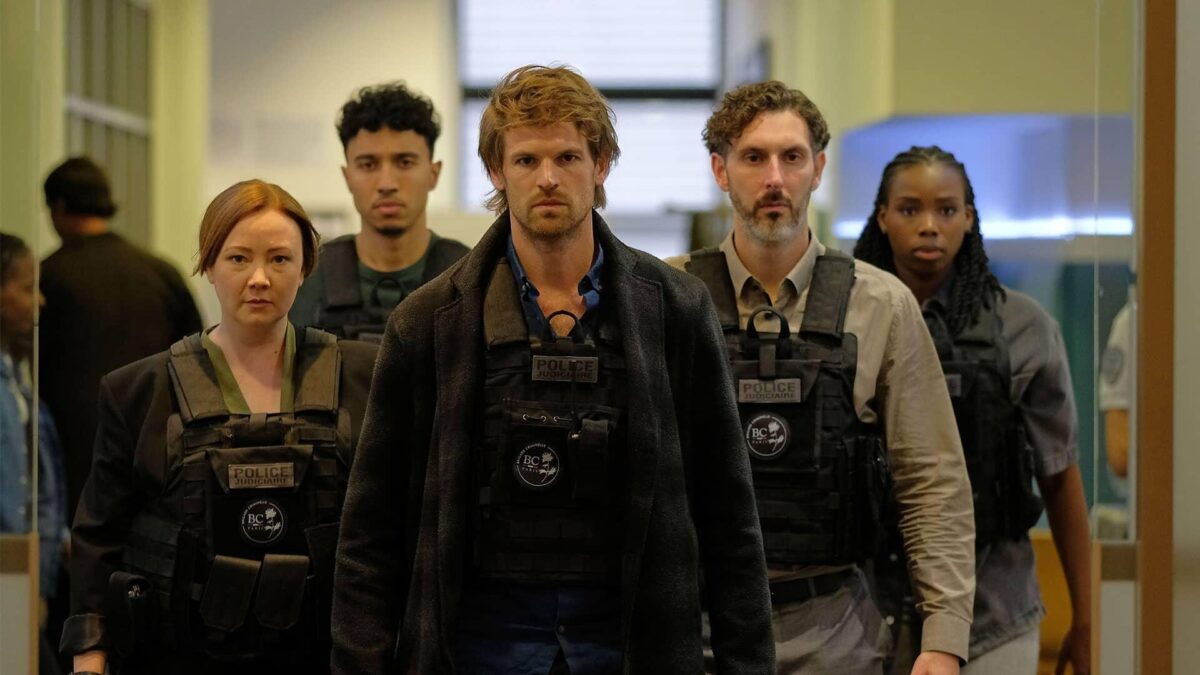
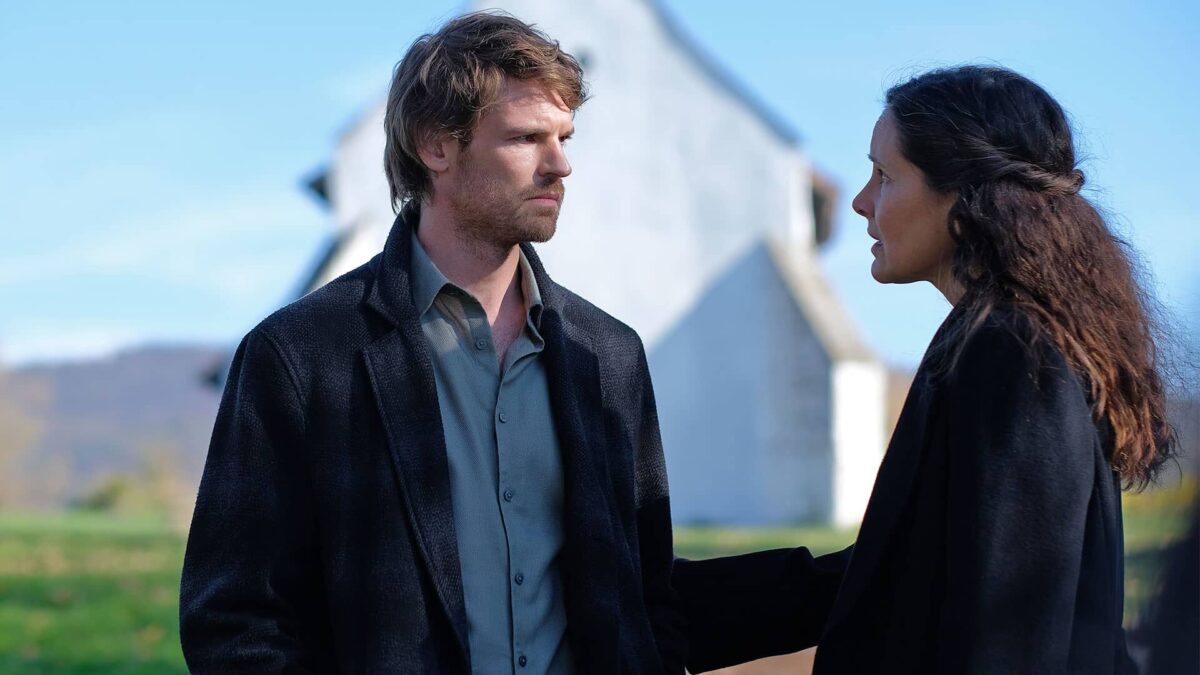
The clothes do the same quiet work. Janka Szokolai’s costume instincts are tuned to function first—coats that carry the weather, not the wardrobe truck. That practical honesty lets the ensemble—Wainwright’s Maigret, Stefanie Martini’s Louise, and the “Les Maigrets” unit played by Blake Harrison, Reda Elazouar, Kerrie Hayes, Shaniqua Okwok, Rob Kazinsky—move like they belong to a world that doesn’t know it’s being filmed.
Makeup departments often become invisible when they’re doing it right. Here, invisibility is an art form overseen by Rita Balla (Hair & Make-Up Designer), whose team—Dóra Horváth Kertai and Edina Vadócz—brings a lived-in exhaustion to faces that spend nights under fluorescents and days in smoke-stained cafés. Period work isn’t just eyeliner and pomade; it’s skin that tells you whether a character slept, cried, ran, or lied. Watch closely and you’ll feel the hours on people’s faces.
Action is where Budapest’s expertise turns into muscle memory. Maigret isn’t a stunt-forward spectacle, but it lives and dies on plausibility: a pursuit cut short by a slip on wet stone, a wrestle against a doorway, a too-fast grab that turns into a scuffle. László Kósa, stunt coordinator across all six episodes, designs for proximity and consequence. With Albert Epres rigging and Kinga Gavalda and Richard “Richárd” Nagy adding team strength, the set pieces land the way good procedural action should—felt in the ribs, not just admired from the mezzanine.
Sound is the undercurrent of any noir, and Hungarian technicians are adept at catching the breath between lines—the scrape of a chair, the far siren, the squeak of leather under a coat. Balázs Necz (first assistant sound on multiple episodes) and Botond Csizmadia (sound recordist) help make the city feel alive and specific, while a second-unit bench—Kovács Janka, Bence Németh, Dávid Sisa—keeps consistency across coverage. It’s the kind of work you notice most when it’s missing. Here, it quietly sells the room.
Production lives or dies on the map. Finding the right corner, making it play for period, keeping it controllable—that’s the job. A Hungarian locations brain trust—Zsigmond Cholnoky supervising, with Gergely Novák, Máté Nieminen, István Párkányi, and István Tamási handling the chessboard—speaks the same language as the camera and art teams. You feel that cohesion in how the show shifts from neighborhood to neighborhood without losing thread. Logistics aren’t romantic, but when the day makes, they’re the reason why.
At the center of the organized chaos are Hungarian production managers who keep the circus on the road. Éva Kovács holds the schedule across all six episodes, mirrored by Gabriella Szép as assistant production manager on the season. Their names pop up often in international credits, and for good reason: they run sets where creative choices aren’t crushed by the clock, even when the clock is the loudest voice on set.
Even background action—the hum that gives a city its scale—passes through Hungarian hands. Extras coordinators Adrienn Szabó, Eszter Czifra, Roland Pécz, Andrea Steinhauser, and Vivien Szabó know how to place faces and bodies so the frame breathes. It’s not crowds for the sake of crowds; it’s movement with purpose. A beat cop crossing behind an argument, a server clocking a regular—these are minor chords, but they tune the scene.
The SFX team, led by Róbert Horváth with support from Csongor Merza, leans into tactile effects over digital flourish: practical rain that beads on wool, steam that rolls and lingers, breakaways that crumble and splinter instead of popping like foam. Again, it’s the cumulative effect—nothing screams for attention, but everything reads as true.
And then there’s the cast—the on-screen proof that Hungary’s acting pipeline is widening. You’ll clock Réka Fruzsino Szabó across four episodes as Young Sophie, and a cadre of recurring players—Tamás Bakó, Norbert Varga, Lola Lili Kóvári, Dániel Kanalas, Viktória Farkas, Edina Foltányi, Miklós Bányai, András Richárd Jeles, Márk Oreskó—who slide into the show’s rhythms with ease. In single-episode turns, faces like Balázs Czukor, Janicsek Péter, Bere Ökrös, Imre Sipos, Judit Fekete, and Olga Kovács make their minutes count. It’s a subtle but telling sign: international series increasingly trust Hungarian performers with English-language roles that carry story weight, not just flavor.
None of this happens in a vacuum. Playground Entertainment produces; Victor Jenkins casts; Marcus Wookey designs the production; Uèle Lamore composes a score that threads tension through period spaces; and the directing team balances intimacy with forward motion. But the texture—the reason the show feels built rather than dressed—traces back to a Hungarian workforce that’s been stress-tested on everything from indies to mega-franchises. They know how to make a long day look like a bigger budget.
If you’re an LA producer scanning Europe for a partner who can stretch your schedule without sanding off detail, Maigret is a case study. Hungary doesn’t just provide a rebate and a stage. It provides taste. It provides discipline. It provides a collective memory for how to mount a scene in less time than you’d think, with more specificity than you’d expect.
When the credits roll and the last cue fades, you might not remember the names that kept the lights at the right temperature or the rain hitting at the right angle. But that’s the point. The craft is meant to disappear into the story. In Maigret, the story feels lived-in because a Hungarian below-the-line powerhouse was busy doing what it does best: making it all look inevitable.