CHINA Edition
 Hungarian Edition


In the world of film and media production, AI is not just a tool; it’s a game-changer. It’s redefining traditional workflows, enabling creators to push the limits of storytelling, and opening up new avenues for artistic expression.
Few individuals embody the spirit of innovation and adaptability as prominently as Dávid Láposi. At just 34 years old, this Budapest-based director, editor, DIT and Dolby Vision certified SDR/HDR colorist has carved a niche for himself in both the Hungarian and international media landscape, but in the past year, he dedicated countless hours to studying and mastering the new tools and technologies that AI brings to the table.
We sat down with Dávid to delve into his insights and experience, particularly focusing on the ever-increasing role of artificial intelligence in film production and post-production. His perspectives offer a unique glimpse into the future of filmmaking, the challenges and opportunities presented by AI, and how these advancements are reshaping the industry as we know it.
BPR: How does one transition from being a colorist and DIT to an AI specialist?
Dávid Láposi: When me and my partner started having more in-depth discussions about AI, we began with examining cause-and-effect relationships to explore potential developments and directions. As you analyze how evolution has changed, where we are headed, and where we came from, much like any species, humanity seems to be merely a step in the process. I currently believe that artificial intelligence represents the next evolutionary step that will determine whether humans will be able to exist or not. Of course, this opinion is widely accepted among many scientists, and I’m happy to live under their expertise.
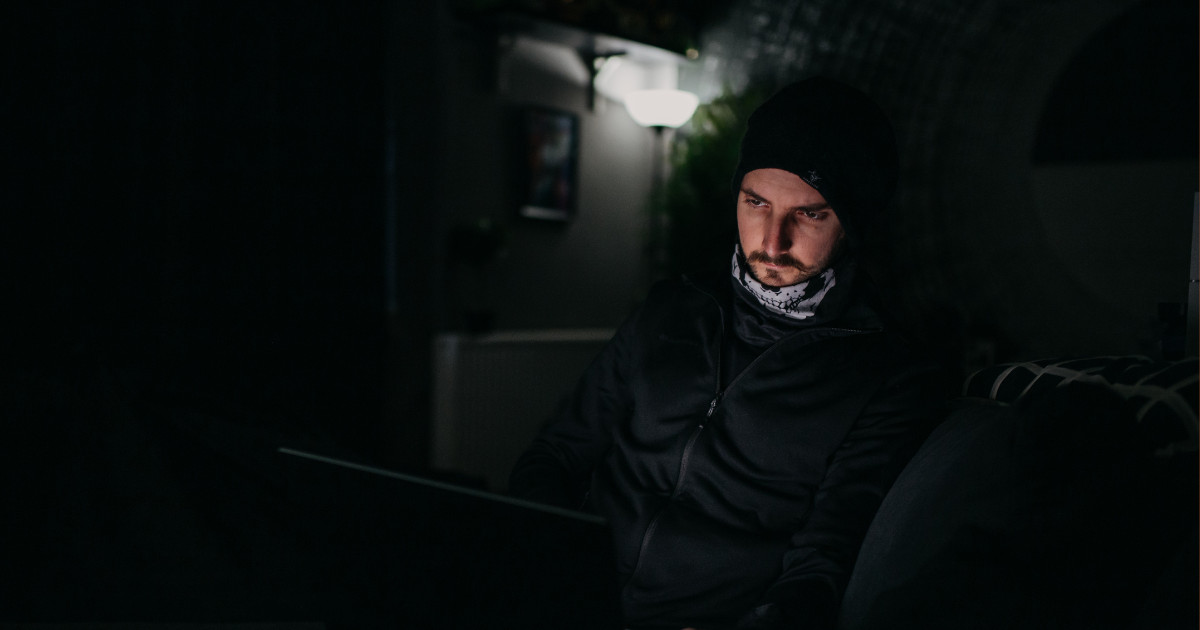
There will be no longer a need for the type of intellectual activities that previously garnered significant attention and reach, altering the concept of value. Perhaps the biggest takeaway or result of these discussions is this shift in value. For example, I consider attention to be a value, and right now, the dear readers are paying attention to me, so I am deeply honored. So, to answer your question in one sentence: I am certain that there is nothing more important in our world right now than artificial intelligence.
BPR: Are you speaking from a professional standpoint, or just generally?
D. Láposi: Generally. No one anticipated that intellectual labor would be the first to become replaceable. People thought, and this is evident from numerous lectures, interviews and podcasts with scientists, that this was an unexpected development. We experienced the Terminator as a physical fear long before the realization that capitalism might become obsolete due to a shortcut that solves everything in mere seconds. That’s not even mentioning quantum computers.
Despite spending five years in a Catholic school, attending church regularly, and singing in the choir, I consider myself neither an atheist nor a believer. I don’t want to sound like a doomer either. I believe in the depths of rationality and cause-and-effect relationships. I don’t think it’s likely that this will end well, just as global warming isn’t going to end well, along with other significant issues.
BPR: How do you view those who are currently against this AI boom? Are they a necessary part of this process?
D. Láposi: People fear what they do not understand. AI, they don’t. This is something not fully understood even by its creators. The most terrifying aspect here is that AI evolves similarly to a child. As Lucifer says in Imre Madách’s The Tragedy of Man: “I can pass nothing except my essence”. In other words, artificial intelligence will execute precisely what it is taught. Similarly, in culture, racism isn’t an inherent trait but a learned one. If we consider the basic nature of humans, which is more akin to a virus – and I’m not necessarily referencing_ The Matrix_ here but rather the fact that humans function like a virus – we are not known for our thoughtful actions but rather for wanting a big slice of everything.
From this perspective, I understand the fears of those who worry that something globally significant will change. I remember when people started fearing that vertical videos would take over the media. And I said, “So what?”. I adapt easily, so experiencing these changes isn’t painful for me. I love learning and trying new things. But imagine a person who lives a routine life, opens the pen in the morning, lets the animals out, then closes it, and suddenly sees a huge computer overhead labeled “42”. That person will be terrified.
These are things that never have happened in history at a pace like this before. And it’s not just because there are so many people on the planet, but also because there’s never been such a type of hunger for information in humans. The differences between generations are extremely significant, even if you just analyze decades. And then, we add to that the advent of AGI…
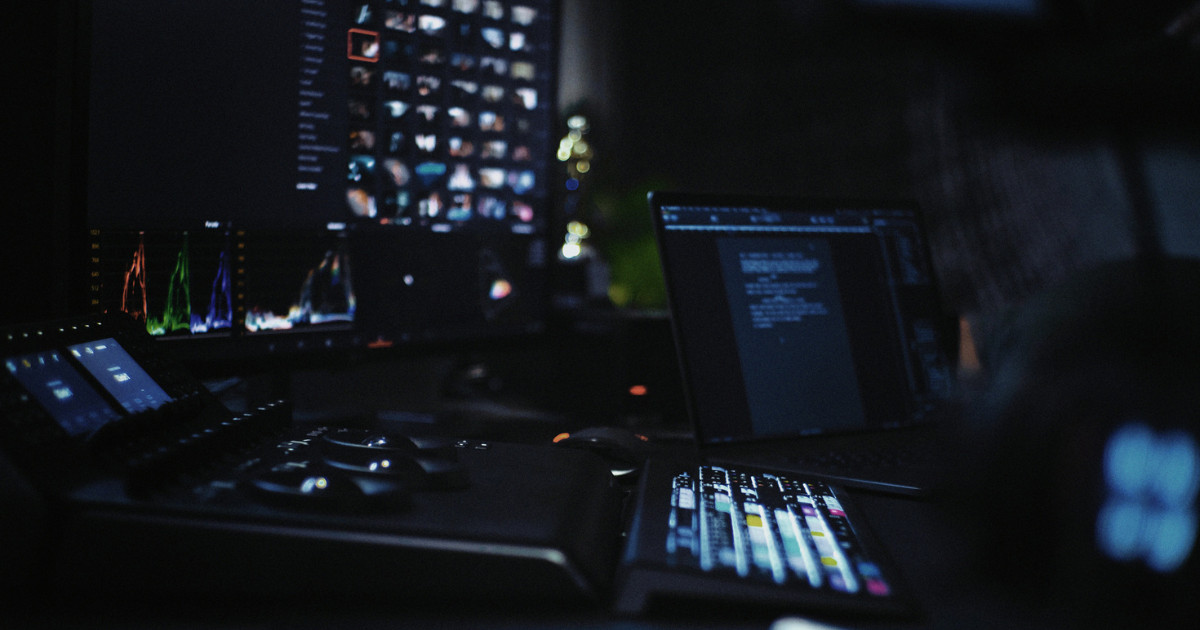
BPR: How significant is the use of AI in media production currently? What are the prospects in this regard?
D. Láposi: The significance depends on the goal. If the goal is profit, then yes, AI allows us to create more with fewer resources. Then again, just take a look at the American writers’ strike, which paralyzed a part of Europe’s film production. I often engage in deeper conversations about this with people who have been in this field for many years, more than I have. The difference between us is that they know everything about how things used to be and nothing about what’s happening now. As for me, I am quite knowledgeable about what’s happening right now, and all it takes is spending time reading about it. This doesn’t require any extraordinary knowledge, but rather finding those people, influencers, forums, posts, and blogs that, along with each other’s perspectives, show the direction the world is heading.
From a business perspective, if profit is the aim when creating something, it’s most effective to focus on what will engage more people. Maslow’s Hierarchy of Needs is a good starting point in this context. The basics are survival, sex, food – just look at what’s happening on the internet. There are AI influencers, the AI section of Pornhub, and the darker parts of the world wide web.
Stay tuned for the second part of our interview with Dávid Láposi next week, where we’ll continue to explore the groundbreaking impact of AI!