CHINA Edition
 Hungarian Edition


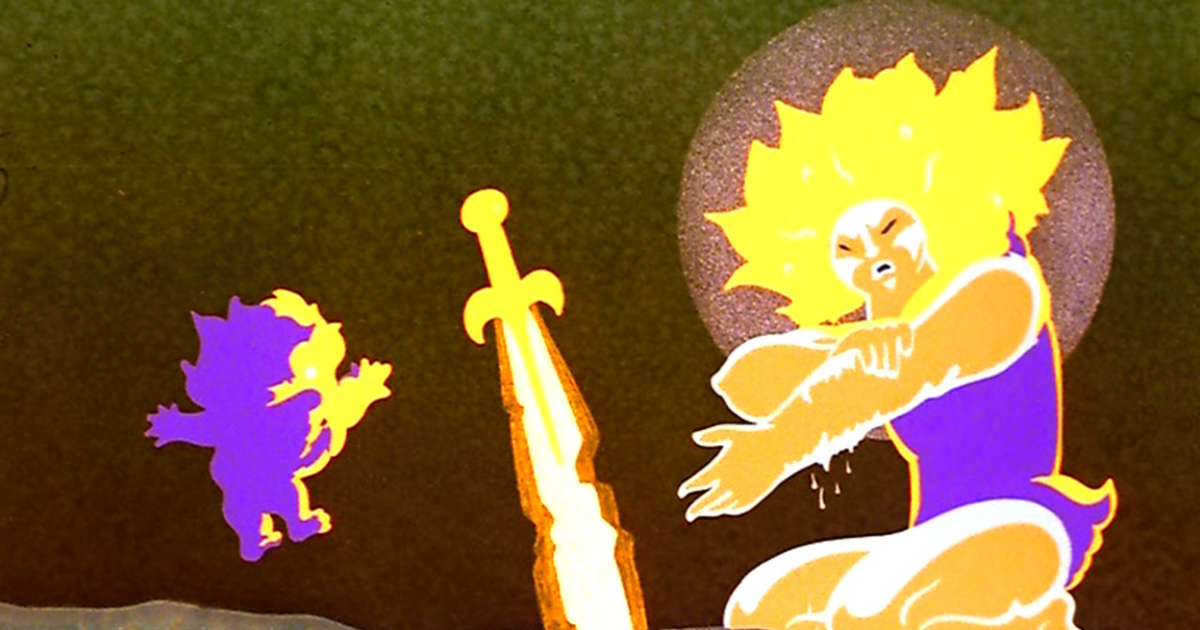
Hungarian animation, with its diverse styles, pioneering techniques, and original narratives, has made a profound impact on the global animation scene. From experimental shorts to feature-length masterpieces, the Hungarian animation industry has thrived, producing memorable works that have earned recognition and admiration worldwide. Let’s take a closer look at the pillars of Hungarian animation, the landmark films, and the current state of this evolving art form.
Great Figures of Hungarian Animation
- John Halas: Often referred to as the “father of British animation,” John Halas was born in Budapest and went on to form one of Europe‘s most successful animation studios, Halas and Batchelor, with his wife Joy Batchelor.
- George Pal: A pioneer of stop-motion animation, George Pal left Hungary to make significant contributions to American animation, particularly in the science fiction and fantasy genres.
- Marcell Jankovics: An eminent figure in Hungarian animation, Jankovics is known for his distinctive visual style and has directed animated features such as “János Vitéz” and the critically acclaimed “Fehérlófia.”
- Attila Dargay: Dargay‘s contributions to Hungarian animation are immense, and he is perhaps best known for directing “Macskafogó” and “Vuk.”
 Iconic Films and Series
- “Macskafogó” (Cat City, 1986): This cult classic is a satirical take on the Cold War, depicting the rivalry between cats and mice. Its wit, humor, and political undertones have made it a favorite among animation enthusiasts.
- “Fehérlófia” (Son of the White Mare, 1981): Directed by Marcell Jankovics, this visually stunning film is inspired by Hungarian folklore and showcases a mesmerizing use of color and form.
- “Mézga Aladár különös kalandjai” (The Adventures of Aladár Mézga, 1969-1978): A beloved animated series that became a staple of Hungarian television, following the adventures of a boy and his quirky family.
- “Vuk” (1981): Based on the novel by István Fekete, this animated film tells the heartwarming tale of a young fox learning the ways of the wild.
 The Current State of Hungarian Animation
Hungarian animation is undergoing a renaissance, thanks in part to supportive funding and a new wave of talented artists and filmmakers. The industry has embraced technology, creating cutting-edge works that continue to push the boundaries of creativity and storytelling.
Institutions like Moholy-Nagy University of Art and Design (MOME) are fostering the next generation of animators, offering specialized programs in animation and media design.
Festivals such as KAFF (Kecskemét Animation Film Festival) provide a platform for emerging talents and celebrate the best in Hungarian and international animation.
Hungarian animation’s rich history, artistic achievements, and innovative spirit have left an indelible mark on the world of animated filmmaking. From the timeless classics of yesteryear to the vibrant works of today, Hungarian animation continues to captivate audiences, reflecting the country’s cultural heritage and artistic vitality. Whether through the whimsical world of “Macskafogó” or the breathtaking visuals of “Fehérlófia,” Hungarian animation remains a treasure trove of creativity, awaiting exploration by film lovers of all ages.