CHINA Edition
 Hungarian Edition


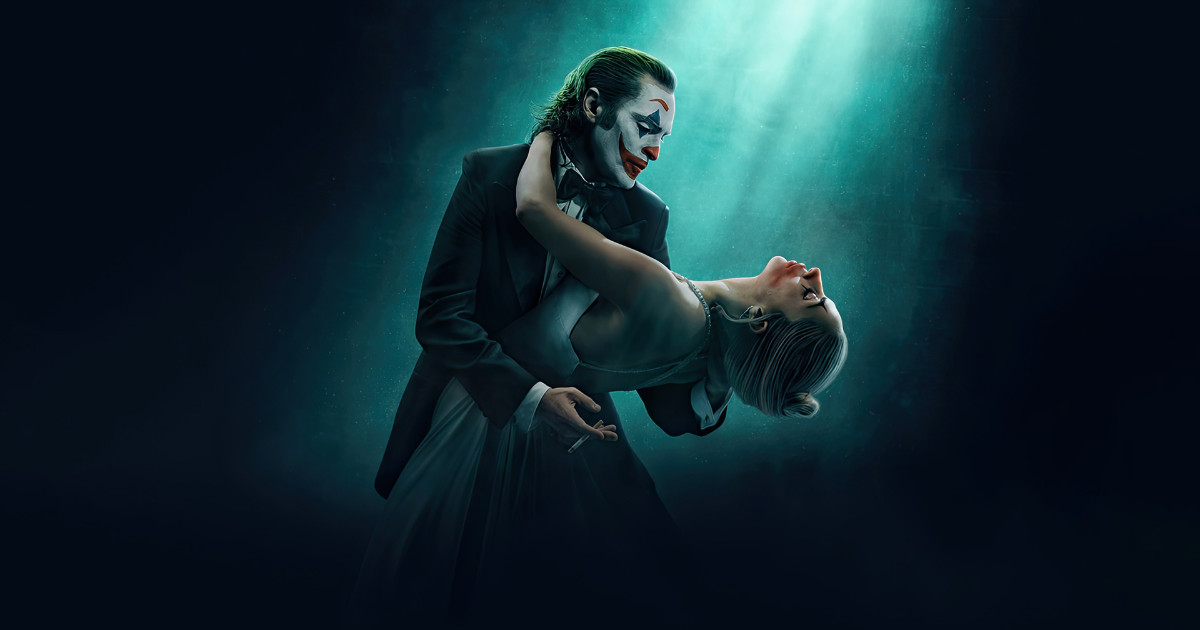
While maintaining the essence of the first film, Joker: Folie à Deux often gets lost in itself, resulting in a self-repeating sequel that will surely divide audiences. Todd Phillips made this strange musical/courtroom drama work, which is a miracle in itself, but Joaquin Phoenix’s performance is far from enough to hide how unstructured it is.
Back in 2019, Joker redefined one of the most popular villains in pop culture, not only gaining some much-needed positive criticism for Warner Bros.’ struggling DC films, but also showing how comic book movies could break away from the usual formulas. Although heavily inspired by classics from Martin Scorsese, Todd Phillips managed to give a unique flavour to the iconic DC villain, and Joaquin Phoenix’s fantastic performance turned Arthur Fleck’s story into an instant classic.
The only thing that could have ruined this triumph is a sequel, so when news of the production came, everyone who knows a thing or two about Hollywood filmmaking deemed it as a cash grab. After seeing Joker: Folie à Deux, I can tell that wasn’t the case – not because it’s something we couldn’t have lived without, but because this is not the kind of film you make when you want to play it safe. Anyway, we have a sequel now.
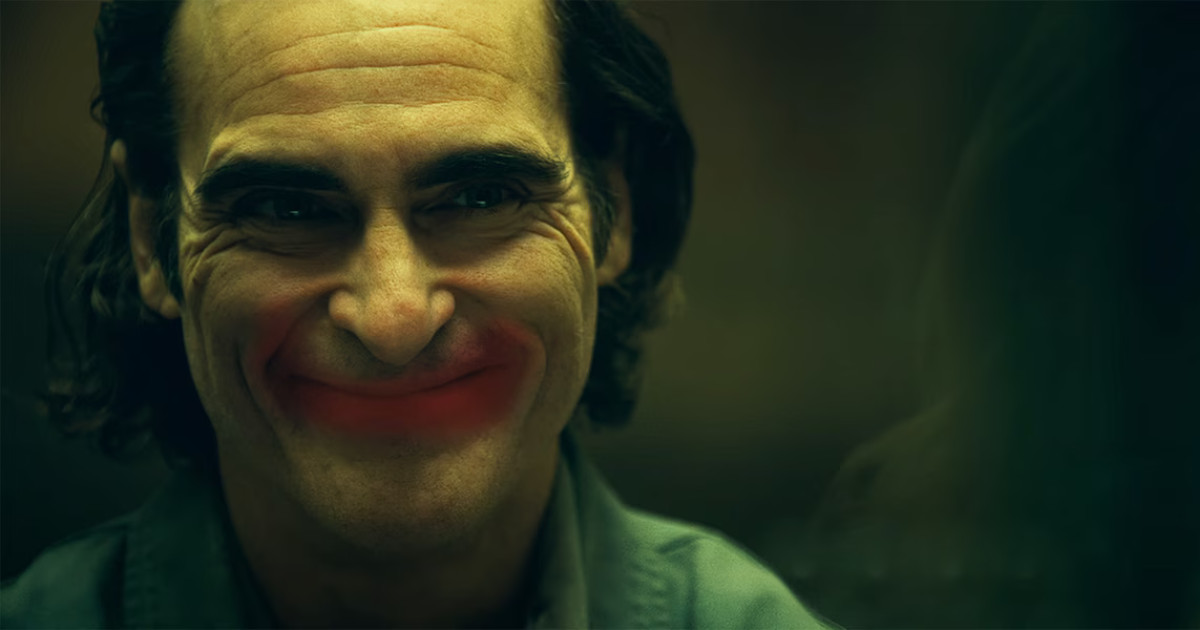 Joker: Folie à Deux starts off with Arthur Fleck (Joaquin Phoenix) locked in Arkham Asylum after the events of the first film. With his trial coming up, the defence is determined to show the people, that the one who committed those horrible acts he’s charged with is someone else: a certain “Joker”, living is Fleck’s mind, feeding on his childhood traumas. While desperately trying to fight his inner demons, Fleck meets with fellow inmate Lee Quinzel (Lady Gaga), who – among many others – considers Fleck a hero, who represents the outcasts of society.
The majority of musical interludes serve the film really well, but what really kept my interests up was how Fleck, Quinzel, other characters, and the city of Gotham tries to define who Joker is. Seeing these different ideological interpretations of the character unfold is what makes it really hard for me to say that this movie was unnecessary to make. These ideas are not only represented in interactions and plot elements, but in the core language of the movie itself, from cinematography to the use of musical elements.
 Frankly, the whole premise of the film feels like an epilogue rather than a sequel, which is made more and more obvious as it progresses. Without the structure of the likes of Taxi Driver and The King of Comedy, Phillips fails to keep the second part of Joker’s story interesting, often leaning into outright tedium. This forces the film on a path of self-repetition, which the first film also suffered from, but it’s even more apparent here. The performances, the score and the overall vibe of Gotham’s world are just not enough to distract us from the issues of the narrative this time.
It’s really hard for me to recommend this film, even though I’ve found something in it that kept me going with it. I think most people won’t. Whatever the case, this is a film that you have to experience for yourself, to see what it really is – for better or worse, you’ll be surprised from what it has to offer.
The Review
It’s really hard for me to recommend this film, even though I’ve found something in it that kept me going with it. I think most people won’t. Whatever the case, this is a film that you have to experience for yourself, to see what it really is - for better or worse, you’ll be surprised from what it has to offer.