CHINA Edition
 Hungarian Edition


With Dune: Messiah officially in development, director Denis Villeneuve faces the challenge of adapting one of the franchise’s most complex and introspective novels. At the heart of Frank Herbert’s sequel is Paul Atreides’ conflicted effort to secure an heir—a theme that demands the introduction of his children with Chani, especially the pivotal character Leto Atreides II.
In the novel, Paul is several years into his rule as Emperor, having launched a devastating “holy war” in the name of the Fremen. His political marriage to Princess Irulan stands in contrast to his emotional devotion to Chani, whose inability to conceive an heir becomes a central tension. Irulan, under Bene Gesserit guidance, subtly interferes with Chani’s fertility, seeking to bear the imperial heir herself and secure her position. When Chani finally does become pregnant, the emotional and political stakes reach their peak.
The children born at the end of Dune: Messiah—twins Leto II and Ghanima—become essential to the future of the Dune universe, especially in Children of Dune and beyond. Introducing them before the film ends is necessary not just for fidelity to the source material but to position the franchise for continuation after Villeneuve steps away, as confirmed.
However, Dune: Part Two noticeably deviated from the books by omitting a significant subplot: the birth and death of Paul and Chani’s first son, Leto the Elder. In the original novel, their son is killed during infancy by the Harkonnens, an event that haunts Paul and deepens his reluctance around fatherhood. In the films, this entire arc is absent—likely to simplify the emotional dynamics between Paul and Chani and to maintain focus on their growing rift.
Co-writer Jon Spaihts acknowledged the omission, stating that the child’s inclusion “would’ve been a peculiar distraction.” But the absence has consequences. Without that trauma, Dune: Messiah may depict Paul as more open—or perhaps even desperate—to produce an heir, despite the risks and his disturbing visions of Chani’s death during childbirth.
This sets up a revised narrative path. Rather than dwelling on loss, Dune: Messiah might focus more sharply on the political urgency and emotional complexity surrounding Chani’s eventual pregnancy, Irulan’s manipulation, and Paul’s foreknowledge of the tragic cost. The arrival of the twins would then be framed as both a personal salvation and a political turning point—particularly for audiences who know Leto II’s immense future importance.
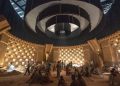
Filming for Dune: Messiah is expected to return to Hungary, where the first two installments were shot—primarily at Origo Studios in Budapest. With pre-production underway, Hungary once again stands poised to host one of the world’s most ambitious sci-fi productions.
If Dune: Messiah remains true to the book’s emotional arc, the birth of Leto II and Ghanima must take place by the end of the film. Even with slight changes from the novel, their introduction is critical not just to resolving Paul’s story but to ensuring the Atreides legacy lives on—both within the world of the film and for the franchise’s cinematic future.